Weather Cloud: The Atmospheric Symbol Transforming Modern Design
Visual communication thrives on symbols that convey meaning instantly. Among the most universally recognized is the weather cloud — an atmospheric symbol that speaks to mood, climate, and the rhythms of daily life. But beyond its meteorological roots, the weather cloud has become a versatile design asset used across print, web, branding, and digital storytelling. Whether you are building a presentation, designing an infographic, or crafting marketing materials, this symbol carries weight and familiarity. The right version of it, rendered with care and precision, can elevate your work from functional to memorable.
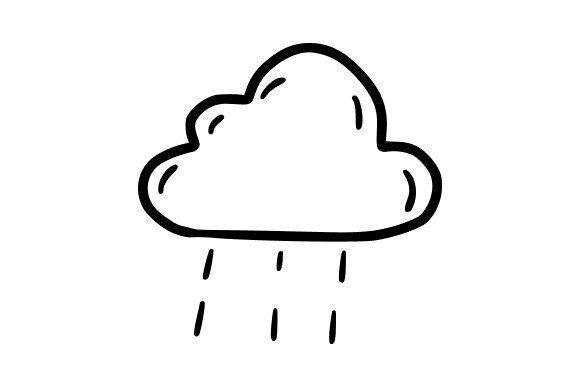
When we talk about Weather Cloud, we are referring to a thoughtfully crafted illustration that captures the essence of this atmospheric icon. It is not just a generic shape — it is a design element built for professional use, scalable without loss of quality, and adaptable to nearly any creative context. For designers, marketers, content creators, and business owners, having access to a high-quality weather cloud asset means saving time, maintaining consistency, and adding visual polish to projects of every kind.
Why the Weather Cloud Matters in a Visual-First World
Symbols shape how people process information. The weather cloud, in particular, carries layered meaning. It can represent weather forecasts, climate awareness, or a lighthearted mood. It appears on apps, websites, packaging, and signage. In an era where attention spans are short and first impressions matter, using a clear, recognizable symbol helps audiences connect with your message faster.
Professionals across fields now rely on such symbols to simplify complex ideas. A weather report becomes instantly readable when accompanied by a cloud icon. A presentation about renewable energy gains visual rhythm when atmospheric symbols punctuate key slides. Even a sticker set for a brand’s social media campaign gains personality when the weather cloud is rendered with style and consistency. The demand for such assets has grown as remote work, digital content creation, and self-publishing have expanded. More people are making visual content than ever before, and they need tools that work without requiring a design degree.
The Evolution of Atmospheric Symbols in Creative Work
Weather symbols have been around for decades, but their role has shifted. Early digital designs often relied on simple, pixelated icons that served a function but lacked aesthetic appeal. As display technology improved and design standards rose, the need for more refined, scalable symbols became clear. Flat design, then material design, then nuanced illustration styles each pushed weather icons toward greater sophistication.
Today, the best atmospheric symbols balance clarity with character. A well-made weather cloud retains the simplicity that makes it immediately readable, while offering enough visual interest to stand alone as a graphic element. This evolution reflects broader changes in how people consume media. Audiences expect polished, professional visuals whether they are reading a blog post, browsing a product page, or watching a presentation. A generic clip-art cloud no longer cuts it. The modern creator needs an asset that looks intentional, works at any size, and integrates smoothly into different software and workflows.
Part of this shift comes from the rise of low-code and no-code design tools, where business owners and marketers create their own visuals without a dedicated designer. Having access to high-quality files in multiple formats — such as scalable vector graphics, EPS files for professional editing software, high-resolution JPGs, and transparent PNGs — removes barriers. It allows anyone to produce work that looks credible and cohesive. The weather cloud, as a symbol, benefits directly from this democratization of design. It becomes a building block that even a novice can use effectively.
Practical Uses Across Creative Projects
The versatility of a quality weather cloud asset is hard to overstate. Consider the following scenarios where it adds real value:
- Print design: Brochures, flyers, and posters often need seasonal or climate-related imagery. A clean cloud illustration anchors a weather-themed layout or balances a composition. Because vector files maintain crisp edges at any size, the symbol looks sharp whether printed on a business card or a banner.
- Web and app design: Interfaces rely on icons for navigation, status indicators, and visual cues. A weather cloud used in a forecast widget, a dashboard, or a notification icon should be consistent, recognizable, and lightweight. SVG format meets these needs perfectly, scaling from a tiny mobile icon to a large desktop graphic without pixelation.
- Presentations and pitch decks: Slides that incorporate relevant imagery keep audiences engaged. A weather cloud can illustrate a point about market trends, seasonal business cycles, or simply add visual variety. Using a transparent PNG lets you place the symbol over slide backgrounds without awkward box edges.
- Promotional materials and merchandise: Stickers, apparel, and packaging benefit from bold, simple imagery. The weather cloud’s friendly shape works well on products aimed at broad audiences. With EPS and SVG files, production-ready artwork can be prepared quickly for manufacturers.
- Infographics and educational content: Explaining concepts like precipitation, cloud types, or climate patterns becomes easier when visuals support the text. A precise weather cloud illustration helps learners grasp ideas faster and makes the material more memorable.
- Social media and digital marketing: Posts, stories, and ads that incorporate recognizable symbols often see better engagement. The weather cloud can be part of a series of atmospheric icons that give a brand a cohesive visual language.
For each of these use cases, having the right file format matters. Vector files like SVG and EPS allow unlimited scaling and easy color editing. A high-resolution JPG works for quick mockups or shared drafts. A transparent PNG is ideal for layering in compositing software or rapid edits. Being able to choose the format that fits your current workflow saves time and reduces frustration.
Meeting the Needs of Modern Creators and Businesses
The landscape of content creation has shifted. Freelancers juggle multiple client projects and need assets that are reliable and reusable. Marketing teams produce materials at a fast pace and cannot afford to pause for custom illustration work on every piece. Educators and bloggers often create visual content alone, without art department support. Entrepreneurs manage branding for their ventures and want to look professional without a large budget. A premium weather cloud asset addresses these pressures directly.
It also aligns with current expectations around consistency. When a symbol appears across different platforms — a website, a printed handout, a slide deck, a social media post — it should look like it belongs to the same family. Using a single, high-quality source file ensures that the weather cloud maintains its proportions, line quality, and style everywhere it appears. This consistency builds trust with audiences and strengthens brand recognition over time.
Another practical consideration is file format compatibility. Professionals working in Adobe Illustrator, Affinity Designer, or CorelDRAW will appreciate EPS and SVG files that open without transformation issues. Users of presentation software like PowerPoint or Keynote can insert transparent PNGs or SVG graphics that don’t cause resolution loss. Even those who work mainly in web tools like Canva or Figma can take advantage of scalable vector files. The flexibility to move between environments without reworking the asset is a genuine time-saver.
How to Use Weather Cloud Effectively in Your Work
Getting the most out of an atmospheric symbol like the weather cloud involves a few practical considerations. First, think about context. The same cloud shape can convey different meanings depending on color, size, and surrounding elements. A soft gray cloud might suggest overcast weather, while a bright white cloud on a blue background feels sunny and calm. In branding, consistency of color and style across all uses reinforces the intended message.
Second, consider scale and placement. In print design, a large cloud can serve as a background element or a focal point. In user interfaces, smaller sizes require clean outlines and enough contrast to remain legible. Test the symbol at the actual dimensions you plan to use, especially in digital environments where screen resolution varies. SVG files are particularly forgiving here because they scale mathematically rather than by interpolating pixels.
Third, combine the weather cloud with other atmospheric symbols — like sun, rain, or lightning — to create a system. A set of coordinated icons increases flexibility and gives your projects a unified visual vocabulary. When each element shares similar line weights, proportions, and styling, the overall design feels intentional and professional.
Finally, keep file management simple. Store your SVG, EPS, JPG, and PNG versions in a logical folder structure. Name them clearly so you can find the right format quickly. This habit pays off when you are working under deadline pressure and need to pull an asset without hunting through dozens of files.
Why Quality Matters More Than Ever
With the proliferation of free icon sets and automated design tools, it might be tempting to settle for a hastily made weather cloud. But low-quality assets introduce problems. They can look blurry when scaled, misaligned when placed, or inconsistent when paired with other elements. For a professional — whether you are a designer, a marketer, or a business owner — these small defects accumulate. They erode the credibility of your work and distract from your message.
Investing in a premium weather cloud illustration avoids these pitfalls. The file you receive has been crafted with care, tested across formats, and designed to hold up in real-world use. When you open the SVG in a browser, it renders cleanly. When you place the EPS in a layout program, it edits without corruption. When you drop the transparent PNG into a presentation, it layers perfectly. These details matter, especially when your audience includes clients, customers, or stakeholders who notice polish.
Current trends also point toward greater appreciation for well-crafted visual elements. Audiences have become more visually literate. They can distinguish between a generic stock graphic and a thoughtfully made illustration, even if they cannot articulate why. Using a premium weather cloud signals that you care about the quality of your communication. It reflects positively on your brand, your professionalism, and your attention to detail.
Ready to Make Your Designs Stand Out
The weather cloud is a simple shape with powerful communicative potential. As an atmospheric symbol, it bridges the gap between function and emotion in design. Whether you are producing marketing collateral, building a website, teaching a class, or creating content for social media, the right illustration makes your work more effective and more enjoyable to create.
When you choose a high-quality asset, you eliminate guesswork. You gain files that work where you need them, look professional at every size, and integrate seamlessly into your existing tools. The formats you receive — SVG, EPS, JPG, and transparent PNG — cover nearly every scenario a modern creator encounters. No matter how your workflow evolves, you have the right tool ready.
Get it today and experience the difference a polished weather cloud makes in your projects. Whether you are a seasoned designer or someone creating visuals for the first time, this asset will elevate your work to the next level. The weather cloud is more than an icon. It is a foundation for clearer, more compelling visual communication.