Teapot Outline: A Versatile Design Asset for Creative Projects
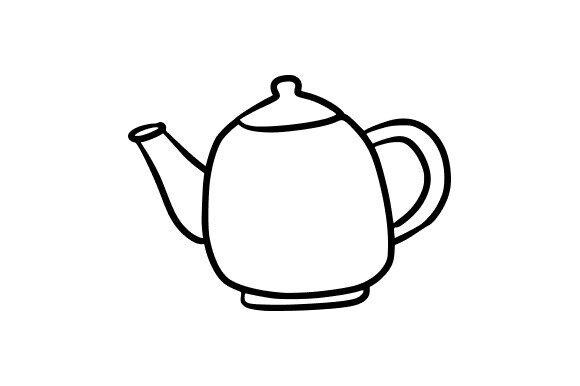
When assembling a library of design resources, the Teapot Outline stands out as a flexible and practical illustration that suits a wide range of creative work. This asset is not a single-purpose graphic; it is a clean, scalable line drawing of a teapot that can be adapted for print, web, presentations, marketing materials, infographics, stickers, and more. For anyone who researches, evaluates, or selects design assets for professional or personal projects, understanding what the Teapot Outline offers, where it excels, and where alternatives might serve better is key to making an informed choice.
This article provides a balanced, objective look at the Teapot Outline. It explores the reasons you might consider this asset, its benefits and trade-offs, and practical decision-making insights that help you determine whether it aligns with your goals. Whether you are a designer, marketer, or content creator, the following evaluation will help you decide if this illustration belongs in your toolkit.
What Is the Teapot Outline?
The Teapot Outline is a vector-based line illustration of a teapot, typically rendered in a clean, minimal style. It is delivered in four common file formats: SVG, EPS, JPG, and transparent PNG. This range of formats ensures that the asset can be used across different software environments and workflows. The SVG and EPS files are scalable vectors, meaning they can be resized to any dimension without losing sharpness or detail. The JPG version provides a high-resolution raster image suitable for everyday use, while the transparent PNG allows for easy overlays and quick editing without background interference.
This type of illustration is often used as a standalone graphic, a design element in a larger composition, or as part of a themed collection. Its simple, outline-based nature makes it adaptable to both modern and traditional aesthetics, depending on how it is styled and combined with other elements.
Why Consider the Teapot Outline?
Several factors make the Teapot Outline an attractive option for creative projects. These reasons are not about hype but about practical utility and design flexibility.
Scalability and Resolution Independence
One of the primary advantages of the Teapot Outline is its scalability. The SVG and EPS files are resolution-independent, which means you can enlarge the illustration for a billboard or shrink it for a business card without any loss of quality. This is a significant benefit for designers who need to use the same asset across multiple mediums. Unlike raster images that pixelate when scaled up, vector outlines remain crisp and clear at any size.
Versatility Across Use Cases
The Teapot Outline is not limited to one type of project. It can be integrated into print design (brochures, posters, packaging), web design (icons, landing page graphics, blog visuals), presentations (slide accents, infographic elements), promotional materials (flyers, social media posts, email headers), and even physical products like stickers and labels. Its neutral, outline-based style allows it to blend into many different visual contexts without clashing with other design elements.
Ease of Editing and Customization
Because the asset is provided in editable vector formats (SVG and EPS), you can easily modify the line weight, color, stroke style, or even convert the outline into a filled shape. This flexibility is valuable for designers who want to match the illustration to a specific brand color palette or visual style. The transparent PNG also simplifies quick placements in presentations or web mock-ups where you need a clean image without background removal.
Time Savings for Creators
For content creators who need a reliable teapot illustration but do not have the time or resources to create one from scratch, the Teapot Outline offers a ready-made solution. It eliminates the need to draw, trace, or commission a custom illustration, saving time and allowing you to focus on other aspects of your project. This is especially useful for marketers who need to produce materials quickly or for educators creating infographics and learning aids.
Benefits and Trade-Offs
No design asset is perfect for every situation. Understanding the benefits and trade-offs of the Teapot Outline will help you assess whether it meets your specific needs.
Benefits
- Clean, minimal aesthetic: The outline style is modern and unobtrusive, making it suitable for both professional and casual projects.
- Multiple file formats: SVG, EPS, JPG, and transparent PNG cover a wide range of use cases, from vector editing to simple image insertion.
- No background issues: The transparent PNG is especially useful for overlays on colored backgrounds or images.
- Works in many software environments: SVG and EPS are compatible with Adobe Illustrator, Inkscape, Affinity Designer, and other vector editors. JPG and PNG work in all standard image editors and presentation software.
- Cost-effective: Compared to hiring a designer to create a custom illustration, a ready-made asset like this is often more budget-friendly.
Trade-Offs and Considerations
- Limited subject matter: The Teapot Outline is specifically a teapot illustration. If you need a different object or a more complex scene, this single asset will not suffice.
- Style constraints: The outline style may not fit every visual identity. Some projects may require a more detailed, shaded, or colorful illustration. The Teapot Outline is best suited for projects where a clean, line-based graphic is appropriate.
- No customization included: While the vector files are editable, you still need some level of design skill to modify them effectively. If you are not comfortable with vector editing software, you may be limited to using the JPG or PNG versions as-is.
- Potential for generic appearance: Because the illustration is a ready-made asset, it may look similar to other outline graphics used by other creators. If uniqueness is a priority, you might consider custom work or combining this asset with other elements to create a more distinctive visual.
Where the Teapot Outline Is a Strong Fit
Certain situations make the Teapot Outline an excellent choice. Recognizing these contexts will help you decide when to use this asset with confidence.
Branding and Identity Projects with a Clean Theme
If you are developing a brand identity for a tea shop, café, or lifestyle brand that values simplicity and clarity, the Teapot Outline can serve as a logo element, icon, or pattern component. Its minimal style supports a modern, uncluttered brand image.
Educational and Informational Materials
Infographics, presentations, and educational handouts often benefit from simple, recognizable visuals. The Teapot Outline can illustrate concepts related to tea, brewing, temperature, or serving sizes without distracting from the core information. Its neutral style helps maintain focus on the content.
Social Media Graphics and Digital Content
For social media posts, blog images, or email newsletters, the Teapot Outline provides a quick, clean graphic that works well in thumbnail sizes. The SVG and transparent PNG formats allow for easy integration into various digital platforms without extra editing.
Print Collateral for Themed Events
Flyers, posters, and brochures for tea-related events, workshops, or product launches can use the Teapot Outline as a central visual or repeating pattern. Its scalability ensures that it remains sharp in both small and large print formats.
When Alternatives May Be Worth Considering
While the Teapot Outline is versatile, there are situations where other approaches might serve you better.
You Need a Full Illustration or Scene
If your project requires a complete illustration with multiple objects, people, backgrounds, or complex compositions, a single teapot outline will be insufficient. In such cases, you might need a more comprehensive illustration pack, a custom illustration, or a set of related graphics that work together as a scene.
Your Brand Requires a Specific Style
If your brand identity uses highly detailed, photorealistic, or heavily stylized graphics, the minimal outline aesthetic may clash. For example, a brand that relies on rich watercolor textures or digital painting may find a simple line drawing too stark. In these situations, a custom illustration or a different type of asset is more appropriate.
You Need Color or Texture Variety
The Teapot Outline is provided as a line drawing. While you can add color in vector editing software, if you need multiple color variations or textured versions out of the box, you might need a different asset. Some projects benefit from having ready-to-use colored or patterned graphics without extra editing.
Uniqueness Is a Top Priority
For projects where visual originality is critical, a ready-made asset from a library may not offer the distinctiveness you need. If your goal is to have a one-of-a-kind visual that no other brand or creator can use, commissioning a custom illustration or creating your own design is a better path.
Practical Decision-Making Insights
To determine whether the Teapot Outline aligns with your goals, consider the following questions:
- What is the primary use case? If you need a simple, scalable teapot graphic for multiple formats, the Teapot Outline is a practical choice. If your project requires a complex or highly customized visual, look elsewhere.
- How important is style consistency? If your existing design library already uses line art or minimal graphics, this asset will fit seamlessly. If your current assets are more detailed or colorful, you may need to adapt the outline or choose a different asset.
- What is your budget and timeline? Ready-made assets save time and money compared to custom work. If you have limited resources and the teapot outline meets your needs, it is a cost-effective solution.
- Do you have the skills to edit vectors? If you can modify SVG or EPS files, you have full control over the final look. If you prefer a plug-and-play solution, the JPG and PNG versions still offer good quality for many use cases.
- How important is uniqueness? If you are concerned about using the same graphic as others, consider combining the Teapot Outline with other design elements or using it as a base for further customization to make it more distinctive.
Aligning the Teapot Outline with Your Goals
Ultimately, the decision to use the Teapot Outline comes down to a clear evaluation of your project requirements and creative priorities. For designers and content creators who need a clean, scalable, and versatile teapot illustration, this asset delivers value across many applications. Its range of file formats ensures compatibility with both professional design software and everyday tools, making it accessible to users with varying levels of technical expertise.
For marketers and educators, the Teapot Outline offers a reliable visual that can be quickly deployed in presentations, infographics, and promotional materials without the need for extensive customization. The time saved can be redirected toward refining other aspects of your project.
On the other hand, if your work demands a high degree of visual uniqueness, a more detailed illustration style, or a complete scene, you may find that the Teapot Outline is too limited. In those cases, exploring custom illustration services or more comprehensive asset packs is a worthwhile alternative.
The Teapot Outline is not a do-everything asset, but for its intended purpose as a minimal, scalable, and adaptable line graphic, it performs well. By weighing the benefits and trade-offs described here, you can decide whether this illustration supports your creative goals or whether another direction better suits your needs. For many practical design and content projects, it remains a strong and efficient choice.