Elevating Culinary Presentations with a Food Cuts Assortment of Chicken, Okra, Avocado, Egg, Fish, and Shrimp
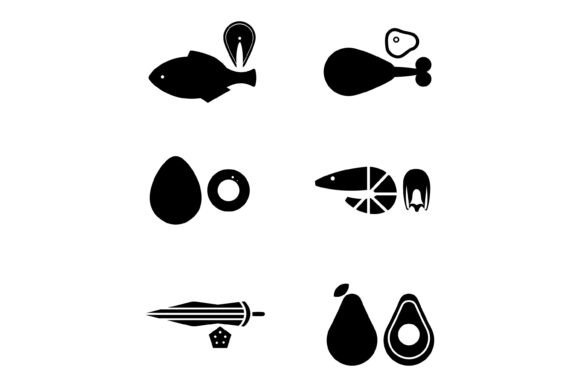
In the world of gastronomy, visual communication is just as important as flavor. Chefs, food bloggers, menu designers, and nutrition educators all rely on clear, appealing imagery to convey ideas about ingredients, preparation techniques, and dish composition. A well-designed Food Cuts Assortment of chicken, okra, avocado, egg, fish, and shrimp can serve as a versatile visual tool that bridges the gap between raw ingredients and finished plates. Whether you're designing a restaurant menu, building a recipe blog, or creating educational materials for culinary students, this type of vector illustration offers a clean, detailed, and colorful reference that enhances understanding and engagement.
What Makes a Food Cuts Assortment So Useful?
At its core, a food cuts assortment is a curated collection of illustrated ingredients, each shown in a specific cut or preparation style. This particular set features six distinct ingredients—chicken, okra, avocado, egg, fish, and shrimp—each rendered with precision to highlight their unique textures, colors, and internal structures. The assortment provides a quick visual reference for how these foods look when sliced, filleted, peeled, or otherwise prepared for cooking.
For anyone working in food media or culinary design, having access to a high-quality vector illustration like this means you can communicate a lot of information without relying solely on text. A single glance at the avocado cut reveals its creamy green interior and large pit. The fish cut shows clean fillet lines and natural marbling. The egg cut displays the yolk and white separation that home cooks and chefs alike need to recognize. This kind of Food Cuts Assortment becomes a visual shorthand for ingredient knowledge.
The inclusion of both protein-rich items (chicken, fish, shrimp, egg) and plant-based ingredients (okra, avocado) makes this assortment especially valuable for projects focused on balanced nutrition, diverse cuisines, or meal planning. It covers a broad spectrum of cooking styles, from grilling chicken to frying fish, steaming okra, or mashing avocado for guacamole.
Key Characteristics of a Quality Food Cuts Illustration
Not all food illustrations are created equal. When evaluating a Food Cuts Assortment for your project, several qualities matter. First, the level of detail. A good vector illustration captures the subtle variations in color, shape, and texture that make each ingredient recognizable. For example, the shrimp cut should clearly show the segments of the shell and the tail, while the chicken cut might show a cross-section with bone, meat, and skin layers.
Second, color accuracy matters. Avocado should not look like a lime, and fish should not appear overly pink or gray. In the assortment described, the colors are vibrant yet realistic—okra is a fresh green with visible seeds, the egg yolk is a warm golden orange, and the chicken has the pale pinkish hue of raw poultry. This attention to realistic color helps viewers trust what they see and apply that knowledge to real cooking scenarios.
Third, consistency in style across all six items is crucial. Whether you're using the illustration in a printed menu or a digital infographic, the vector format ensures that all elements share the same line weights, shading techniques, and aesthetic approach. This creates a cohesive visual experience that looks professional and polished.
Formats and Resolution Considerations
One of the most practical benefits of this Food Cuts Assortment is the range of available formats. The package includes EPS, SVG, JPG, and 300dpi PNG files. Each format serves a different purpose. EPS and SVG are vector formats that allow infinite scaling without loss of quality, which is ideal for large-format printing like posters or menu boards. The JPG and high-resolution PNG files are perfect for digital use, such as recipe blog graphics, social media posts, or online nutrition guides.
The 300dpi PNG option is particularly valuable for print projects where sharpness and clarity are non-negotiable. Whether you're creating a printed cookbook, a nutrition brochure, or a culinary school handout, the high-resolution ensures that every seed in the okra and every grain in the fish fillet remains crisp and clear.
Practical Applications Across Industries
The versatility of a food cuts assortment means it can be used in many different contexts. Here are some of the most common and impactful applications:
Culinary Education and Training
In cooking schools and vocational training programs, visual aids are essential for teaching ingredient identification and preparation techniques. A Food Cuts Assortment featuring chicken, okra, avocado, egg, fish, and shrimp allows instructors to point out key features of each ingredient before students handle them. For example, students can study the cross-section of an avocado to understand ripeness indicators, or examine the fish cut to learn about bone structure and fillet placement. This visual preparation reduces waste in the kitchen and builds confidence in new cooks.
Restaurant Menu Design
Modern menus often include small icons or illustrations to help diners quickly understand dishes. A clean vector illustration of a shrimp cut or an egg cut can appear next to menu items to indicate ingredient presence or preparation style. For instance, a seafood platter description could be accompanied by the fish and shrimp illustrations, while a breakfast section might feature the egg cut. This enhances the dining experience by making menus more intuitive and visually appealing, especially in fast-casual or family-friendly restaurants where quick comprehension matters.
Recipe Blogs and Digital Content
Food bloggers and content creators constantly need high-quality visuals to accompany their recipes. A Food Cuts Assortment can be used as hero images, step-by-step ingredient callouts, or featured graphics in roundup posts. If you're writing a post about "Five Ways to Use Avocado," the avocado cut illustration serves as an immediate visual anchor. Similarly, a recipe for grilled shrimp skewers benefits from the shrimp cut graphic, helping readers identify the exact ingredient they need.
Nutrition Infographics and Health Guides
Dietitians, nutritionists, and health educators often create infographics that explain the nutritional benefits of different foods. Having a ready-made assortment of illustrated cuts makes it easy to build visually engaging content. You can place the fish cut next to a list of omega-3 benefits, pair the egg cut with protein content stats, and use the okra cut to highlight fiber and vitamin K. The consistent style across all images ensures the infographic looks cohesive and professional, which builds trust with readers.
Food Packaging and Labeling
For small-batch food producers, artisanal brands, or farm-to-table companies, packaging design is a major factor in consumer appeal. A colorful, detailed Food Cuts Assortment can be incorporated into labels, boxes, or bags to show the key ingredients used in the product. A jar of pickled okra could feature the okra cut, while a pack of smoked fish might display the fish cut. This not only informs the customer but also adds an artisanal, handcrafted feel to the packaging.
Modern Workflows and Integration
Digital designers and content creators work with a variety of tools, from Adobe Illustrator to Canva, Figma, and web-based platforms. Vector illustrations in SVG and EPS formats are compatible with nearly all major design software, making it easy to customize colors, resize elements, or combine the cuts into larger layouts. For example, you could take the chicken cut and place it into a meal prep grid, or use the avocado cut as part of a health-themed social media template.
Because the files are provided in multiple formats, you don't need to worry about format conversion or quality loss. The JPG and PNG files are ready for immediate use in blogs, presentations, or quick edits, while the vector files give you full creative control for more complex projects. This flexibility saves time and reduces friction in your workflow, allowing you to focus on content rather than technical adjustments.
What to Consider Before Choosing a Food Cuts Assortment
Before you download or purchase a Food Cuts Assortment, think about your specific project needs. If you're designing for print, prioritize the 300dpi PNG or the vector EPS/SVG files. If you're working on a fast-paced digital project, the JPG might be sufficient, but remember that JPGs don't support transparency, which can be a limitation if you need to overlay the cuts onto a colored background.
Consider the diversity of ingredients. This particular assortment covers a good mix of proteins and vegetables, but depending on your focus, you might want additional items like citrus fruits, leafy greens, or root vegetables. However, for a general-purpose culinary guide or menu design, the six ingredients here provide a strong foundation that covers many common dishes.
Also, evaluate the illustration style. Does it match your brand or project aesthetic? Some assortments lean toward realistic rendering, while others are more stylized or cartoonish. This one sits in a sweet spot—detailed enough to be informative, but clean and colorful enough to feel modern and approachable. It works well for both professional and casual contexts.
Examples of Effective Use
Imagine you're a food blogger creating a roundup post titled "10 High-Protein Meals Under 30 Minutes." You could feature the chicken, fish, shrimp, and egg cuts at the top of the post, each linked to a corresponding recipe. The visual instantly signals the ingredient focus and makes the post more scannable. Readers know immediately which recipes involve shrimp or chicken, and the colorful layout encourages them to keep scrolling.
Or consider a nutritionist building a downloadable PDF guide for clients about healthy cooking methods. The Food Cuts Assortment could be used on the cover page to show the variety of whole foods the guide covers. Inside, each ingredient cut could appear at the start of its respective section, creating a consistent visual rhythm throughout the document.
For a restaurant owner redesigning the menu, you could place the fish cut next to the catch of the day, the chicken cut next to the roasted poultry dish, and the avocado cut near the salad section. This small touch adds visual interest and helps customers make quicker decisions, especially in busy environments.
Final Observations on the Value of Prepared Visuals
Having a ready-to-use Food Cuts Assortment saves time, maintains visual consistency, and elevates the professionalism of any food-related project. Instead of commissioning custom illustrations or spending hours photographing ingredients, you get a polished set that works across print and digital platforms. The clean, detailed design ensures that each ingredient is immediately identifiable, which is the whole point of using food cuts in the first place.
Whether you're a chef designing a menu, a blogger writing recipes, a teacher educating future cooks, or a brand launching a food product, this assortment provides a practical and attractive visual resource. It speaks the universal language of food preparation—one that anyone, from novice home cooks to experienced professionals, can understand and appreciate.