Nerd Colored Icons: Avoiding Common Pitfalls When Using Versatile Vector Graphics
If you have ever spent hours searching for the perfect icon set only to end up with something that looks out of place or requires tedious editing, you are not alone. Nerd Colored Icons offer a refreshing solution for designers, marketers, and content creators who need high-quality visuals that actually work across multiple platforms. But even with a great resource like this, there are common missteps that can undermine your results. Let us walk through what this icon set really offers, where people tend to get tripped up, and how you can get the most out of every file.
What Makes Nerd Colored Icons Stand Out
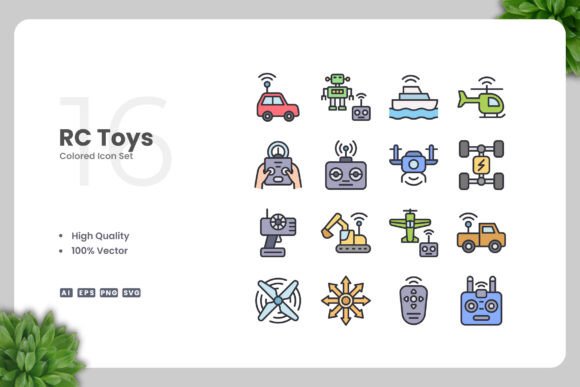
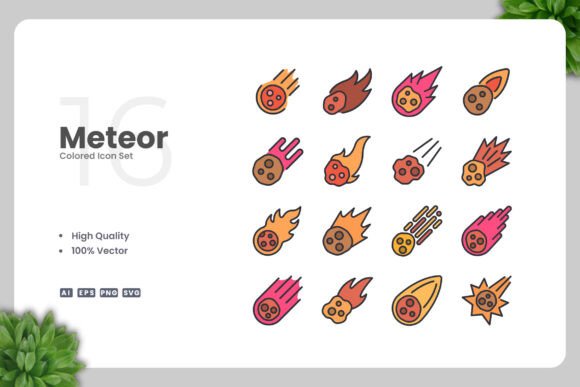
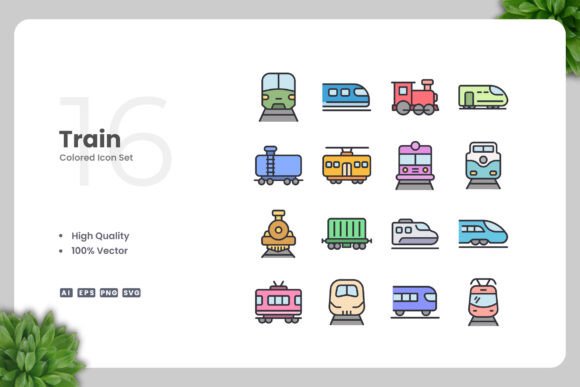
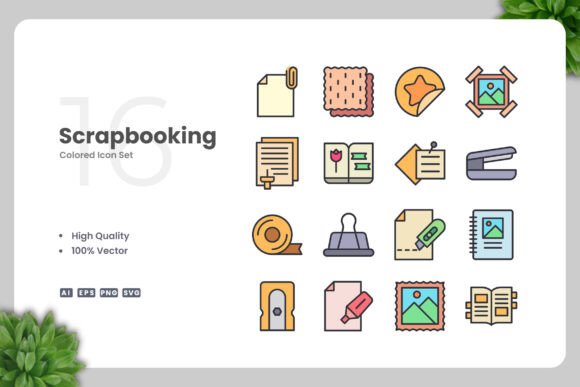
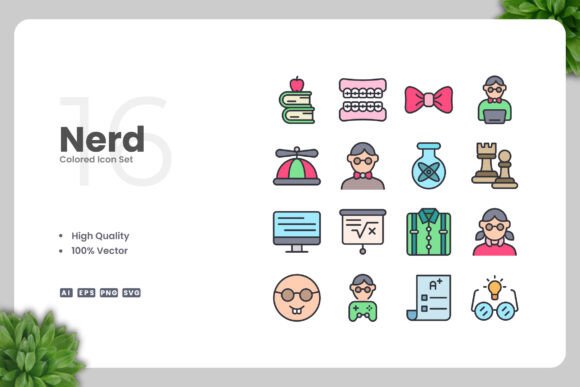
At its core, Nerd Colored Icons is a thoughtfully designed collection of vector graphics that balance playful character with professional polish. The icons feature a distinct colored style that avoids the overly cartoonish look of some alternatives while still feeling approachable and modern. Because everything is built as 100% vector files, you are not locked into a fixed size or color palette. You can scale them for a small mobile button or a large poster without losing sharpness, and changing colors takes just a few clicks in software like Adobe Illustrator or CorelDRAW.
This flexibility makes the set suitable for websites, mobile apps, books, social media graphics, infographics, flyers, print materials, banners, posters, and many other applications. The package includes source files in AI, EPS Version 10, SVG, and PNG with transparency, along with a simple readme file. It is designed to be drag-and-drop easy, so even if you are not a seasoned designer, you can start using the icons right away.
Common Mistake #1: Overlooking File Format Versatility
One of the most frequent errors people make when downloading icon sets is only using the PNG files and ignoring the vector formats. PNGs are convenient because they work out of the box, but they are also limited. If you resize a PNG too much, it becomes pixelated. If you try to change its color, you end up with messy selections or a loss of quality.
With Nerd Colored Icons, you have access to AI, EPS, and SVG files. These vector formats let you resize the icons infinitely, change individual colors, and even combine elements from different icons. If you skip these files, you are essentially using only a fraction of what the set offers.
Better Approach
Open the AI or EPS file in your vector editing software first. Experiment with recoloring an icon to match your brand palette. Save a few variations as SVGs for web use and export high-resolution PNGs for print. This way, you maintain full control and get consistent quality across every project.
Common Mistake #2: Ignoring the Readme File
It might seem trivial, but the included readme.txt file often contains important details about folder structure, color modes, font dependencies, or special instructions. Many users skip it and then wonder why certain files behave unexpectedly.
The readme file is there to save you time. It typically explains which software versions are recommended, how to handle layers, and any notes about editing. Taking thirty seconds to read it can prevent confusion later.
Practical Advice
Before you start dragging files into your project, open the readme file and scan it for any setup tips. If you are using an older version of Illustrator or CorelDRAW, check whether the EPS Version 10 file is the best option for your workflow. This small habit will make your editing experience much smoother.
Common Mistake #3: Neglecting to Customize for Context
Another oversight is using the icons exactly as they come without adapting them to the specific medium or audience. The default colors and styles in any icon set are a starting point, not a final destination. Nerd Colored Icons are designed to be customizable, but some users treat them as static assets and miss the opportunity to make them truly fit their brand or message.
For example, an icon that looks great on a bright white social media banner might feel too heavy on a dark mobile app interface. Or the color palette that works for a children's book might not suit a professional business presentation. Failing to adjust these elements can make your project look generic or mismatched.
Better Approach
Take a few minutes to assess the context. If you are designing an infographic for a corporate audience, consider desaturating the colors slightly or using a more restrained palette. For a flyer aimed at a younger demographic, you might increase contrast or add a gradient. The vector files make these edits quick and non-destructive, so there is no reason to settle for a one-size-fits-all look.
Common Mistake #4: Using Icons Without Checking Scalability Early
Even with vector files, it is wise to test an icon at the sizes you plan to use before committing to the entire set. Some icons with very fine details may look cluttered when scaled down for a small mobile icon, while others might appear too sparse when blown up for a poster. This is not a flaw of Nerd Colored Icons specifically, but a general principle of working with any graphic resource.
If you wait until the final stage of your project to check scalability, you could end up having to rework layouts or substitute icons at the last minute.
Practical Advice
Pick one or two icons from the set that represent the most complex or the simplest designs. Scale them to the smallest and largest sizes you anticipate needing. View them on the actual device or print them at full size. If any details become unclear or the composition feels off, you can adjust the icon in the vector file before rolling it out across your project. This upfront check saves time and frustration.
Common Mistake #5: Forgetting About Consistency Across an Icon Set
When you have a collection of icons, it is tempting to treat each one independently, but consistency in style, stroke weight, color temperature, and visual balance is what makes a set look cohesive. Nerd Colored Icons come with a unified aesthetic, but if you start editing individual icons heavily without referencing the others, you can break that harmony.
For instance, changing the outline thickness on one icon while leaving others unchanged creates a noticeable mismatch. Similarly, altering the color saturation on a few icons can make the set feel disjointed.
Better Approach
If you plan to customize multiple icons, create a simple style guide for yourself. Note the hex codes or CMYK values you are using, the stroke width, and any shadow or highlight effects. Apply these consistently across all icons you edit. This way, your final set looks intentional and professional, whether it appears on a website, a book cover, or a series of social media posts.
Common Mistake #6: Overlooking Licensing and Usage Terms
Even though Nerd Colored Icons is marketed as versatile and easy to use, it is important to be aware of what the license allows. Some icon sets restrict commercial use, require attribution, or limit how you can modify the files. Assuming you have unlimited rights can lead to legal headaches or project delays.
The product page and the readme file usually clarify these points. If you are using the icons for a client project, a product you sell, or a large-scale campaign, double-check that your intended use is covered.
Practical Advice
Before downloading or purchasing, review the license terms. If anything is unclear, reach out to the creator. Keeping a copy of the license in your project folder is a simple habit that protects both you and your clients. This step is especially important for entrepreneurs and freelancers who rely on proper usage rights.
How to Get the Most Out of Nerd Colored Icons
The true strength of this icon set lies in its balance of quality and flexibility. Because the files are 100% vector and 100% customizable, you are not limited to a single use case. You can create variations for different platforms, experiment with color schemes, and maintain a consistent visual language across your work.
Start by exploring the full range of icons in the set. Identify the ones that align most closely with your project's needs. Then, use your vector software to tailor them. If you are new to these tools, the drag-and-drop nature of the files makes it easy to get started without a steep learning curve.
For bloggers and social media managers, having SVG and PNG files means you can quickly produce graphics without needing a designer every time. For educators and authors, the icons can illustrate concepts clearly without distracting from the content. For marketers and small business owners, the ability to match brand colors exactly is a significant advantage.
Final Thoughts
Nerd Colored Icons provide a solid foundation for anyone who needs reliable, attractive graphics across multiple mediums. The most common mistakes stem from underusing the vector formats, skipping the readme file, failing to customize for context, neglecting scalability checks, breaking consistency, and ignoring licensing details. Each of these pitfalls is easy to avoid with a little forethought and a few simple habits.
By taking full advantage of the editable source files and applying a thoughtful approach to customization, you can elevate your projects significantly. Whether you are creating a mobile app interface, a flyer for a local event, or a set of social media posts, these icons offer the versatility and quality you need. Take the time to explore the files, test your edits, and keep your usage aligned with the license terms. Your future self will appreciate the polished results.